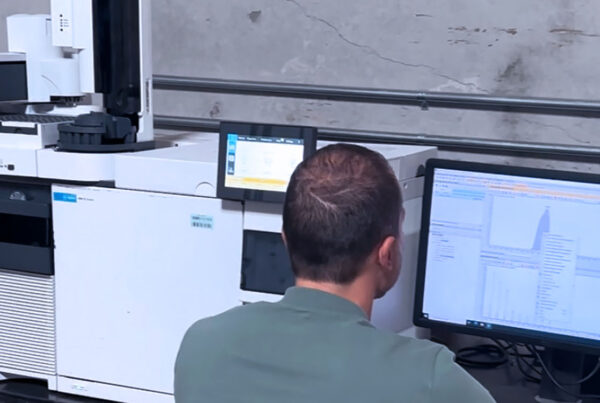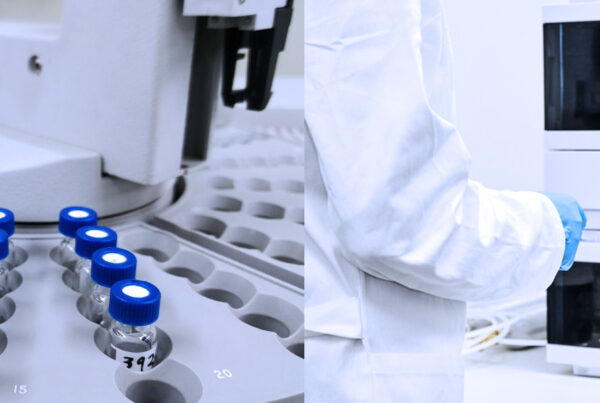

Petroleum refining is a sophisticated industrial process converting crude oil into essential products like gasoline, diesel, jet fuel, and petrochemical feedstocks. A critical challenge refiners face is accurately identifying and quantifying the multitude of hydrocarbons present in crude oil and its derivatives. Gas Chromatography (GC) emerges as an essential analytical tool in addressing this challenge.
GC effectively separates volatile components in mixtures based on their boiling points and their interactions with a column’s stationary phase. Within petroleum refining, GC is employed for analyzing raw crude fractions and finished products alike. Its exceptional precision, speed, and reliability make it invaluable for product quality assurance, refining process optimization, and compliance with stringent industry standards.
Why GC is Crucial for Petroleum Refining
Crude oil comprises hundreds of hydrocarbons, ranging from simple alkanes to intricate aromatic compounds. Refiners must meticulously separate these compounds into usable fractions and precisely control their compositions. GC offers detailed, real-time insights into hydrocarbon streams, enabling informed, data-driven decisions at every refining stage.
Key GC Applications in Refining:
- Simulated Distillation (SIMDIS): This GC technique simulates physical distillation, swiftly generating accurate boiling point distribution curves for petroleum fractions. It outperforms traditional distillation methods in speed, reproducibility, and accuracy, facilitating efficient characterization of feedstocks and refined products.
- Detailed Hydrocarbon Analysis (DHA): GC precisely identifies and quantifies individual hydrocarbons in gasoline and naphtha streams. Such detailed profiling is vital for optimal blending and improved product performance.
- Sulfur and Impurity Detection: Trace sulfur compounds and oxygenates significantly influence fuel quality and regulatory compliance. Specialized GC detectors, such as Flame Photometric Detectors (FPD) and Sulfur Chemiluminescence Detectors (SCD), efficiently detect these impurities, safeguarding product quality and regulatory adherence.
- Process Monitoring and Control: Online GC systems integrated into refining units offer continuous analytical feedback. This enables operators to closely monitor process conditions, swiftly respond to variations, and maintain consistent product quality and process efficiency.
Versatility of GC Systems
A major advantage of GC in refining lies in its adaptability. By choosing appropriate columns and detector configurations, a single GC system can efficiently handle diverse analytical tasks—whether analyzing benzene content in reformate, residual gases in LPG, or sulfur levels in diesel fuels. This flexibility translates to cost savings, operational efficiency, and broader analytical capabilities.
At Conquer Scientific, we appreciate the critical importance of gas chromatography in petroleum analysis and refining. That’s why we offer an extensive selection of refurbished, fully tested GC systems from leading OEMs like Agilent, Shimadzu, and Thermo Scientific, specifically configured for hydrocarbon and petrochemical analyses.
Every GC system from Conquer Scientific undergoes meticulous inspection and refurbishment by our skilled engineers, ensuring dependable performance at significant cost savings. Whether you require a fundamental GC system with Flame Ionization Detector (FID) or a comprehensive SIMDIS setup complete with autosampler and analytical software, our expert team can assist in selecting the ideal system tailored to your refinery’s unique needs.
Looking for a reliable GC system for petroleum refining?
Explore our inventory or contact Conquer Scientific today to discuss your specific application. Trust Conquer Scientific as your partner in achieving analytical excellence within the energy sector.