
At Conquer Scientific, we take pride in providing high-quality used and refurbished cannabis testing equipment, along with expert support services, at affordable prices.
Setting up or upgrading your cannabis testing lab starts with sourcing the right equipment, and that’s where we come in. Our goal is to give you the resources and guidance needed to succeed in this fast-growing market. Our team of experts goes beyond equipment sales, offering training, method development, and support in establishing quality assurance and quality control (QA/QC) plans, as well as instrument servicing.
Our foundation was built on the work of an experienced scientist whose background includes research into pesticides, heavy metals, volatile organic chemicals, and terpenes across a wide range of environmental and agricultural sources work that was recognized with the Research Excellence Award by USCC. That depth of training and academic experience continues to shape our understanding of not just the instrumentation, but the science behind lab testing, and it’s what separates Conquer Scientific from other vendors.
Our equipment will provide a wide variety of cannabis testing applications like:
- Potency testing for THC & Cannabinoids
- Moisture Content
- Residual solvents
- Residual Pesticides
- Microbial Impurities
- Homogeneity
- Foreign Materials
- Terpenes
- Mycotoxins
- Heavy metals
- Water activity
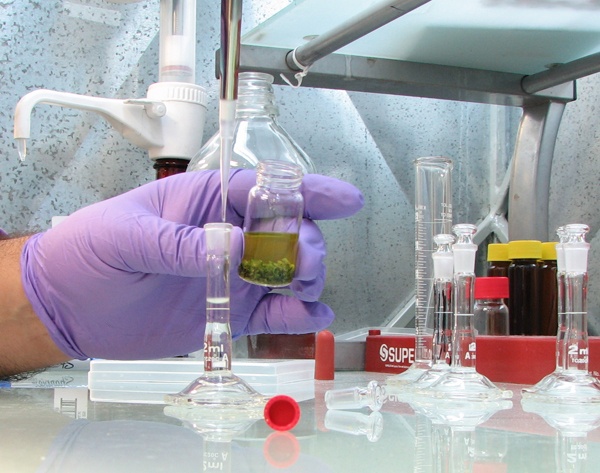
Benefits of Buying Pre-Owned Cannabis Testing Equipment
- All instruments are tested in our facilities for optimal results
- Financing options available as low as 0% interest
- 90-Day Warranty Coverage
- Select from a wide selection of lab instruments
- Quality testing inspection, setup assistance & training by qualified service technicians
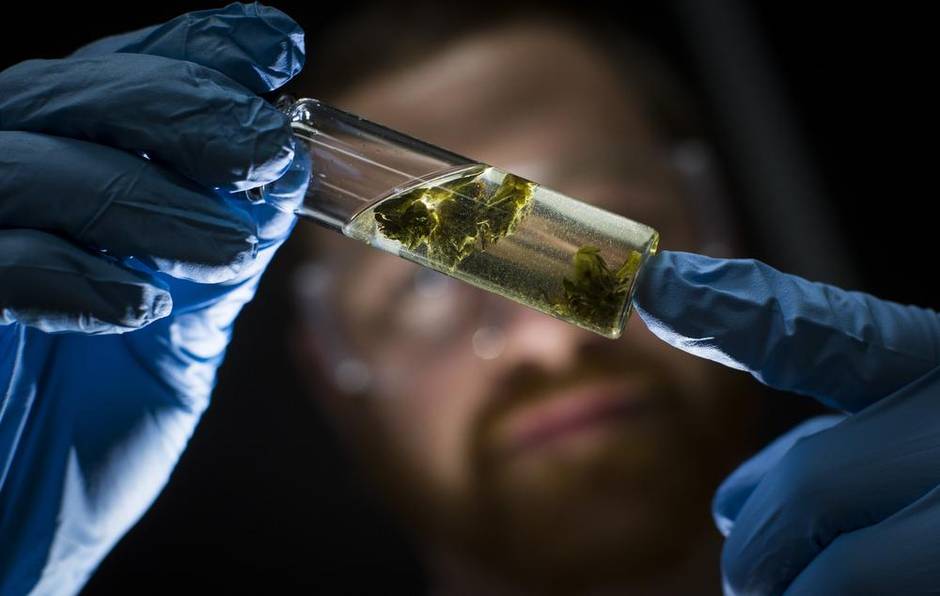
Which Analytical Instruments Will You Be Using?
Cannabis testing Equipment will vary depending on which type of analytical methods you are applying for, specifically, if you want to perform tests most cannabis labs need to run.
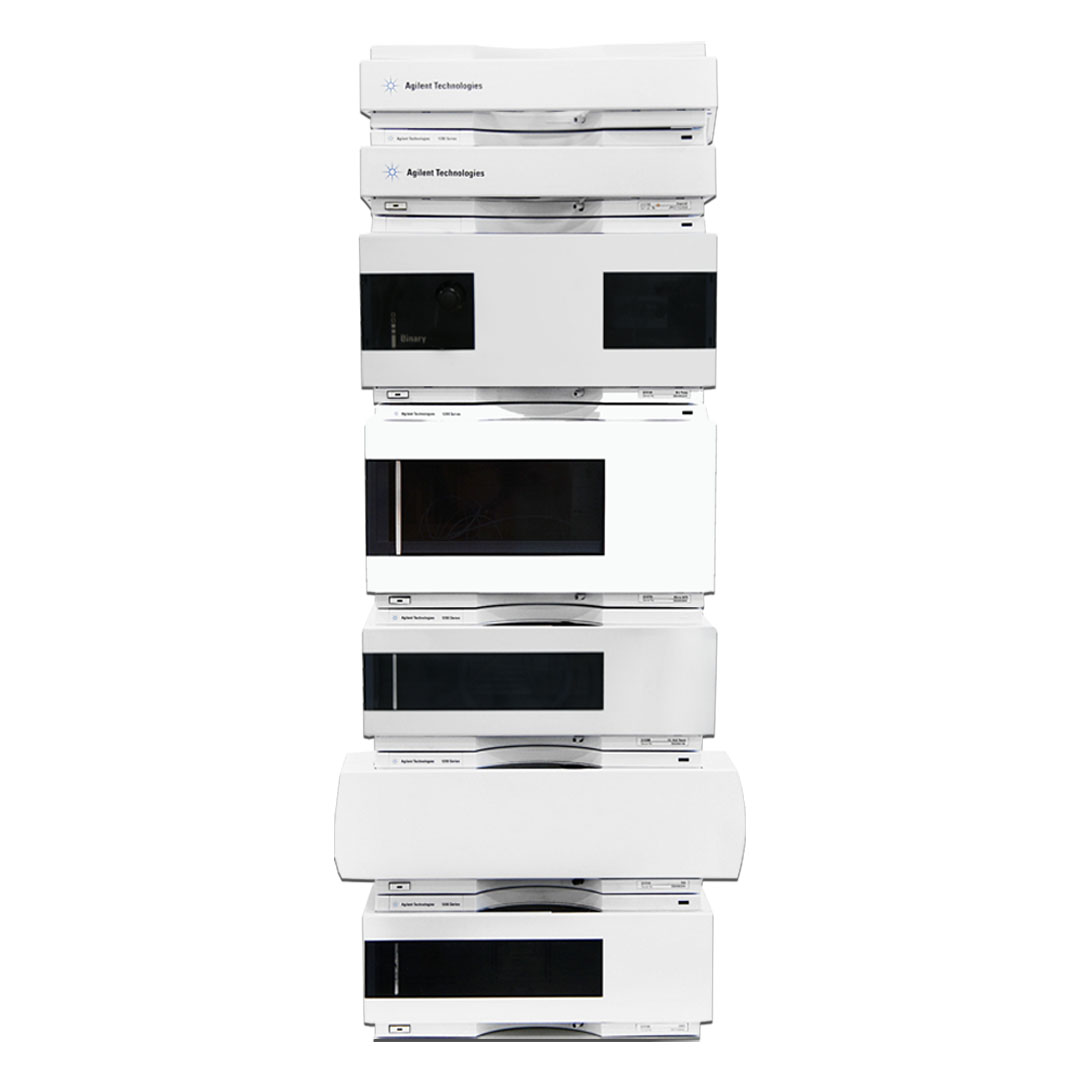
High Performance Liquid Chromatography (HPLC) / Potency
Both HPLC and UHPLC methods can be used to determine the cannabinoids. The advantage of UHPLC is that the sample through put is higher; nevertheless, the cost of equipment doubles. A cost-effective alternative is the purchase of two HPLCs, this way, a similar sample through put will be achieved; yet, when one system is down for maintenance, the second system still available for analysis
Shop HPLCs
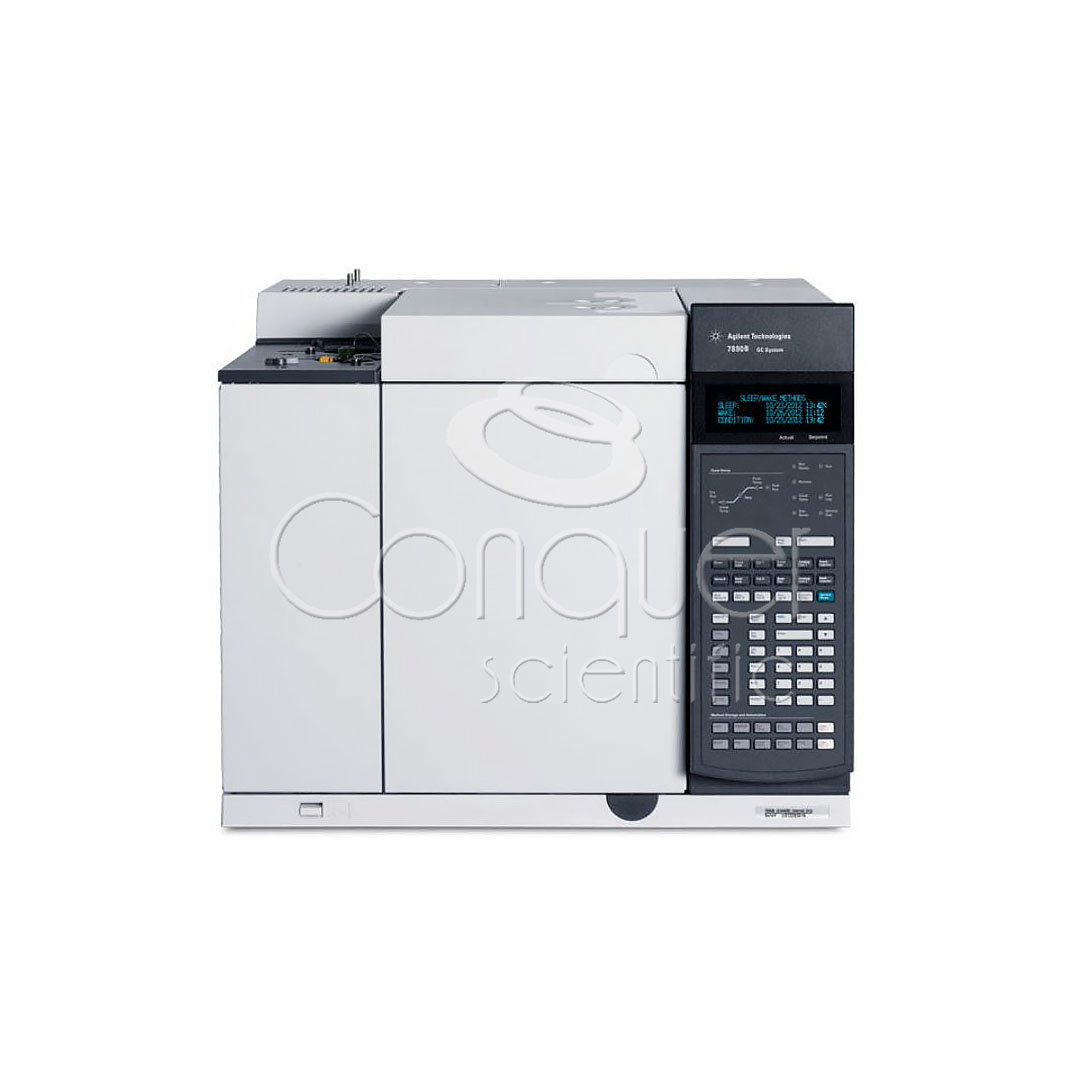
Gas Chromatography (GC) / Residual Solvents
A gas chromatograph (GC) equipped with an FID and headspace sampler is commonly used to determine the residual solvent content of extracts. However, due to separation challenges and the non-qualitative nature of FID, a mass selective detector (MSD) is highly preferred for residual solvent analysis.
Shop GCs
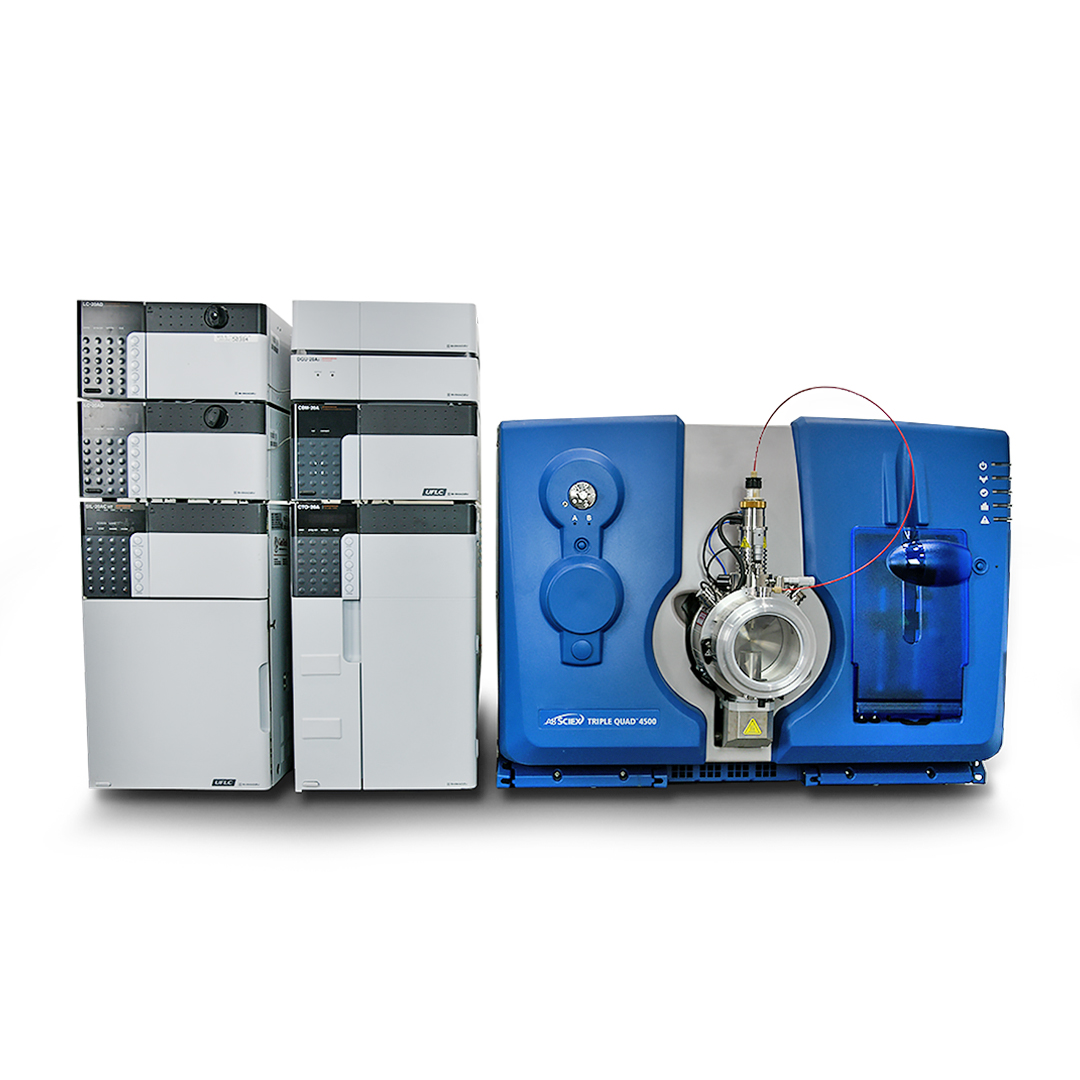
Mass Spectrometry (GC-MS / LC-MS) / Residual Pesticides
This is by far the hardest and the most expensive analysis. This is perhaps the testing that many labs fail or struggle to get it done due to either purchase of a wrong instrument or lack of technical expertise of lab personnel. The issue comes up from the wide array of pesticides with substantially different chemical properties; and gummy nature of the samples; and the potential very low detection limits that the regulatory agency requires.
Shop GC/MSShop LC/MS
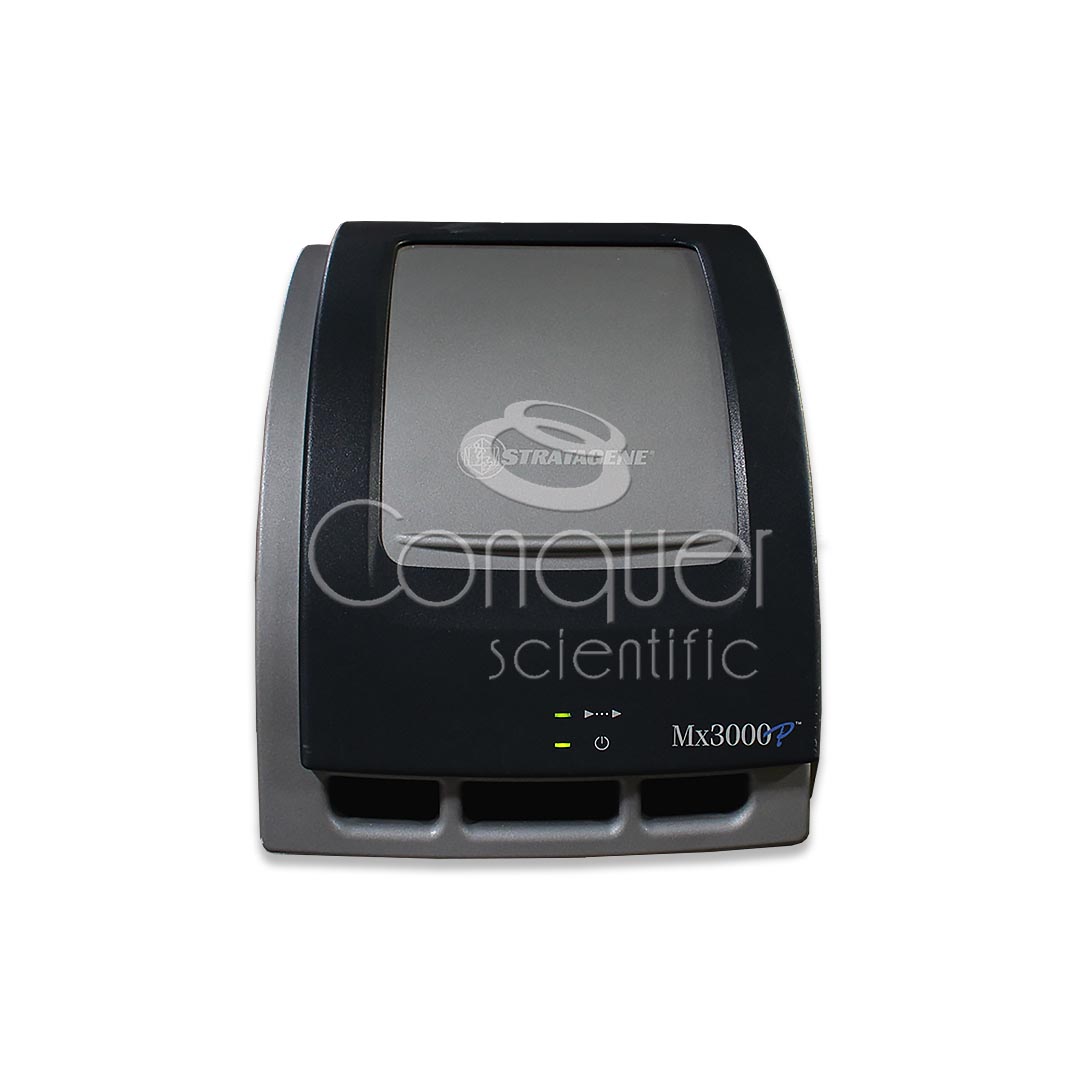
Polymerase Chain Reaction (PCR / QPCR) Microbial Testing
Cannabis and related products are required to be tested for a set of bacteria (E. coli and Salmonella spp.) and fungi species (A fumigatus, A. Flavus, A. niger and A. terreus). This can be done using QPCR (real-time PCR) equipment, which has the main advantage of reducing time.
Shop PCRs
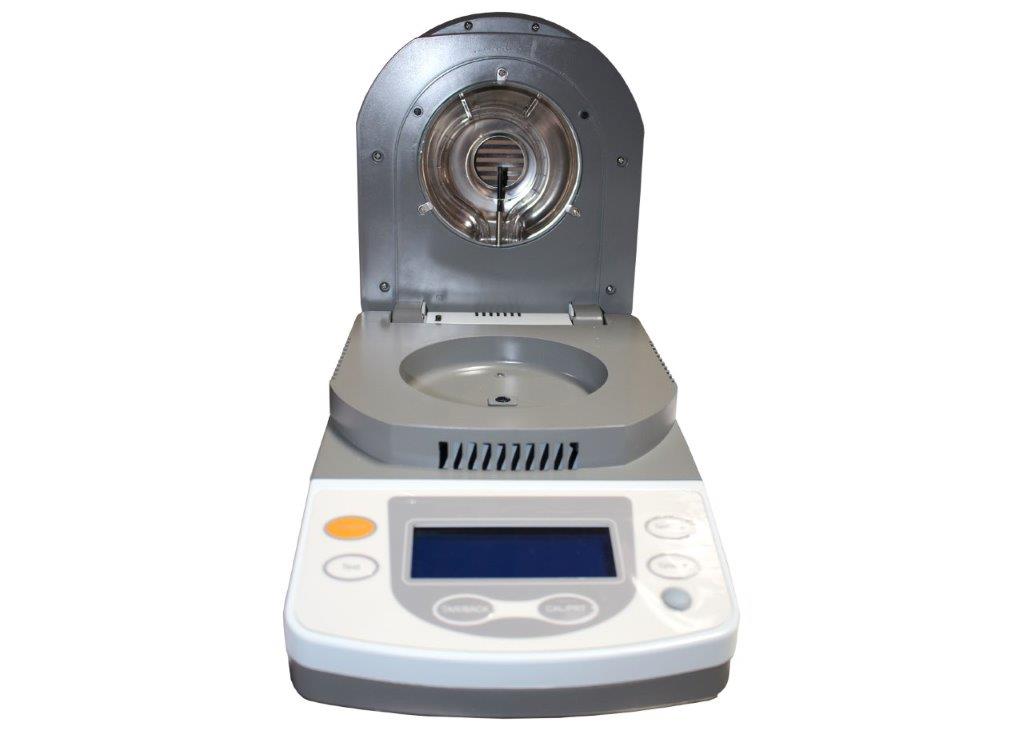
Moisture Analyzers
California is requiring all cannabis to be tested for moisture content and for the results to be printed on the sample’s analysis certificate. This method will help determine THC content if changes in water make results inaccurate. Therefore, moisture analyzers are an easily repeatable and reproducible way to measure water content.
Shop Moisture Analyzers
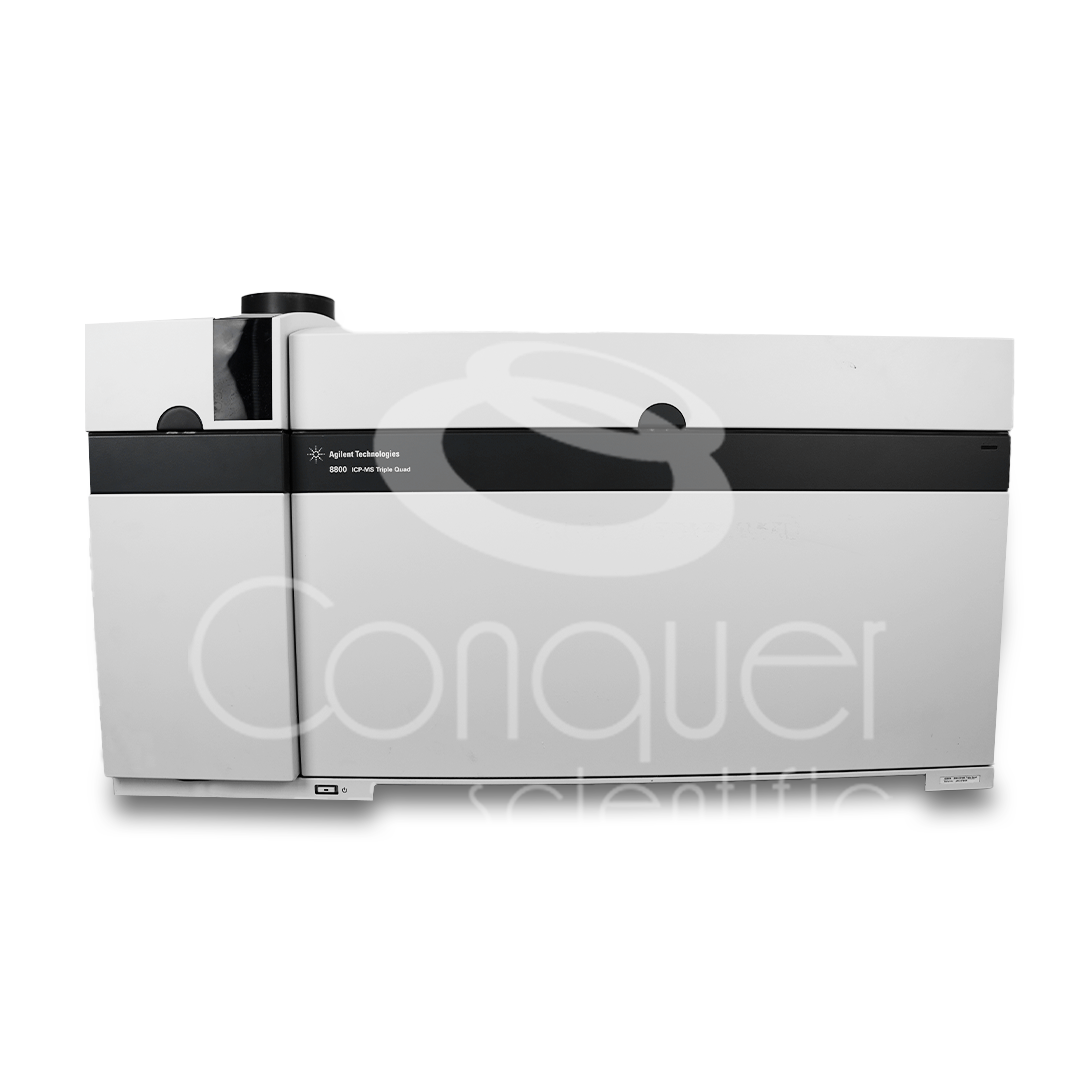
ICP-MS & ICP-OES Solutions / Heavy Metals
While some laboratories employ ICP-OES for heavy metals analysis, due to its detection limitations, we highly recommend the use of an ICP-MS for cannabis testing applications requiring ultra-trace sensitivity. If your regulatory agency requires mercury testing, an ICP-MS equipped with a collision cell may be preferred, as it reduces interferences and eliminates the need for gold stabilization. For ICP-MS systems without a collision cell, a small amount of gold solution is typically added to prevent mercury loss.
Shop ICP-MS